
Sally Rummery
It’s 8pm when the phone rings. I’m cutting the rind from the bacon for pasta, the onion and garlic already hissing softly in the frypan. I can hear dad’s ute as it comes in the driveway.
“There’s a fire on the back of Birralee,all the trucks are out on the Retreat fire. Tell your dad I’ll be there in ten minutes”.
I’ve already pulled my boots back on, I take the frypan off the heat. Dad’s face is blackened by soot, his eyes rimmed in red as I get in the ute. I hand him a chocolate bar, another on the back of Charlie’s I say, Avalanche is on his way.
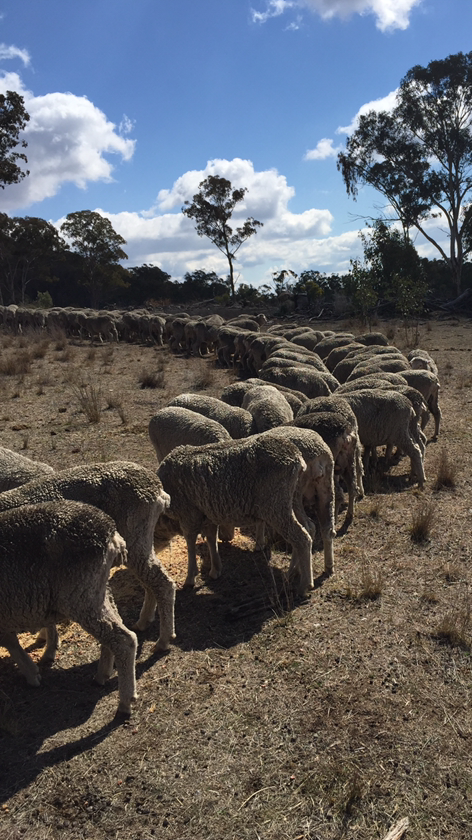
A month later an article by Richard Flanagan is published by the New York Times. Australia is committing climate suicide it says. Its Great Barrier Reef is dying as its rainforests burn. Towns have run out of water, cattle and sheep are starving to death, their stomachs are filled with gravel.
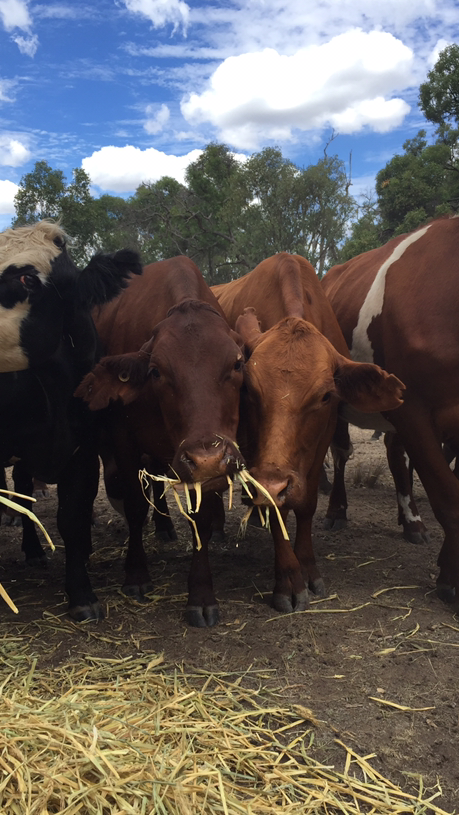
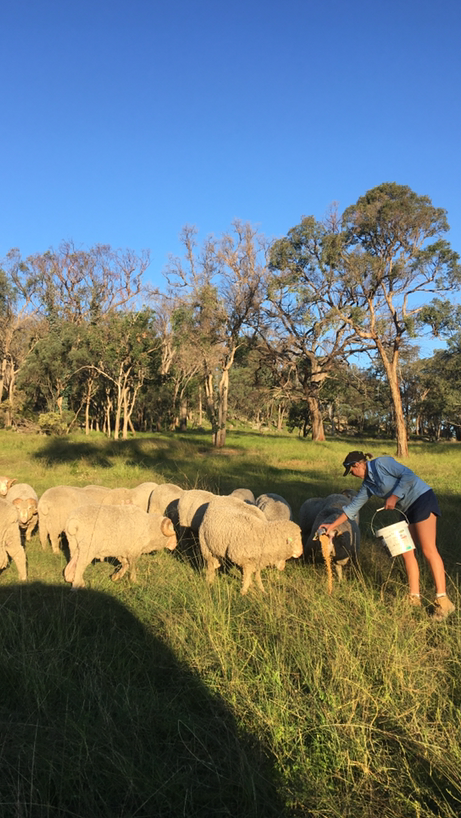
In January 2020 my family was running 40% of our usual stocking rate across 7000 acres and feeding every day. The months prior were a desperate gamble on whether we could afford to run at such low capacity versus whether we could afford to run at such high capacity. Fences had been cut to give animals access to the few dams still carrying water. The nearest town’s water supply consisted of bottled water trucked in as the official supply held dangerous levels of arsenic. Eyes were constantly searching the horizon for smoke and Scott Morrison was forcibly shaking hands in a bid to erase the impact of his disappearing act.
By April 2020 my family was desperately buying in any stock they could afford. Paddocks were filled with more feed than we could handle, and I was being sent home from university as the threat of covid-19 became realistic. Australian politicians were listening to scientists and people were slowly recovering from the Armageddon Christmas they’d endured.
In the final paragraph of Flanagan’s article, Richard wrote “As Mikhail Gorbachev, the last Soviet leader, once observed, the collapse of the Soviet Union began with the nuclear disaster at Chernobyl in 1986. In the wake of that catastrophe, “the system as we knew it became untenable,” he wrote in 2006. Could it be that the immense, still-unfolding tragedy of the Australian fires may yet prove to be the Chernobyl of climate crisis?”
In September 2020, have we so far recessed the memory of what is on the other side of an unseasonably wet year that our Chernobyl is derailed by the still unfolding covid-19 pandemic?
As Australia moves forward into what will be an inevitable dry period, the frustrations of the capitalist system and the corporations who stand to profit may yet be remembered to the point of driving change. The implications of a changing climate though will likely prove irreversible.
read more from the weekly insider

What you need to know about the South China Sea
by Claire Sams The South China Sea sees legal, economic, political and geostrategic concerns combine. […]
Burn off that COVID feed – Blog
I do not know about you but during Covid I was always thinking that right […]
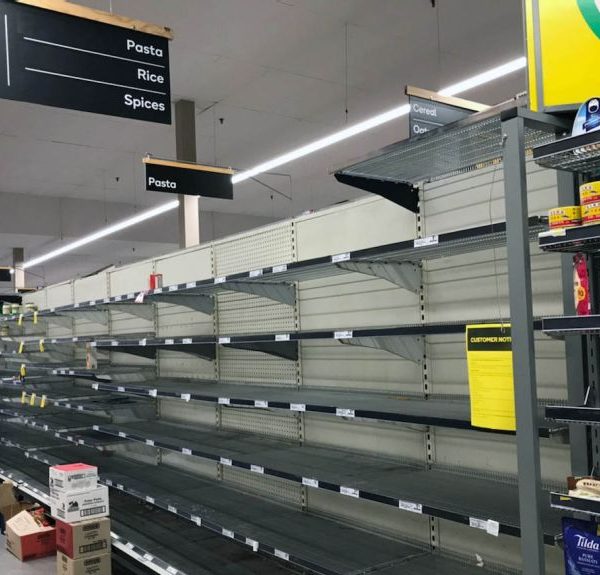
Panic! at the supermarket
Taylor Stott With new and active COVID-19 cases soaring into the high hundreds in Victoria […]

The Masked Singer not safe from Covid-19 as crew members test positive
By Kate Rooney In an ironic twist of events, the TV show based around wearing […]
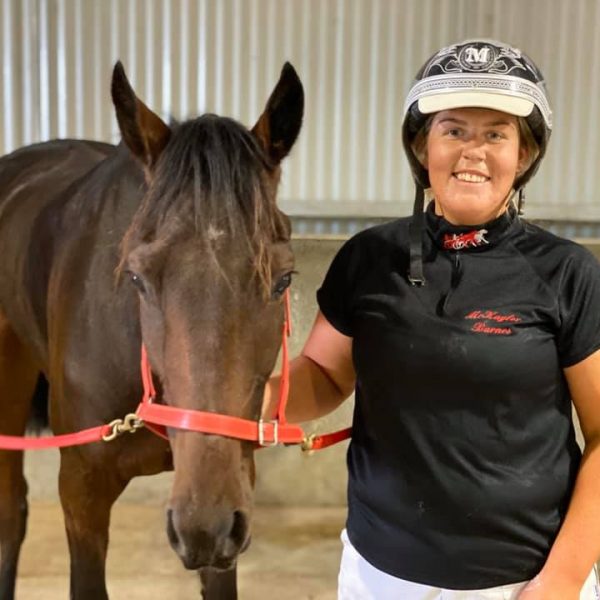
The transition from horse worker to support worker
Amy Rees “It’s given me a different perspective on life that’s for sure.” Mckayler Barnes […]