
by Claire Sams
One of the holiest days in Islam, Eid al–Adha is normally celebrated with family and friends–but not this year.
What is Eid al–Adha and why is it celebrated?
Neil El–Kadomi, the Chairman of Paramatta Islamic Association and Chairman of Paramatta Mosque, says Eid al–Adha commemorates the story of when God asked the Prophet Ibrahim to sacrifice his son, Ismail, as a test of faith.
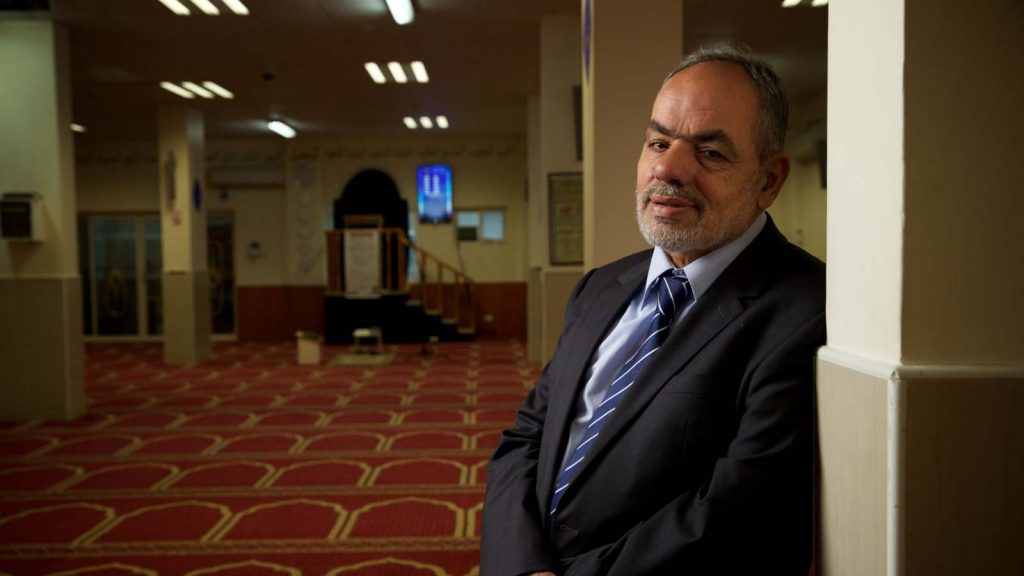
The story “is in all religions,” says El–Kadomi, noting Christianity and Judaism also record the story.
“It’s written in the Bible and the Old Testament and in the Quran.”
(quote from El–Kadomi)
Despite Satan trying to tempt him into disobeying God, Ibrahim remained faithful and was willing to sacrifice his son.
At the last moment, God swapped Ismail out for a goat, which was sacrificed in his place.
In the present, a goat, lamb or a cow is normally sacrificed, with its meat being shared amongst friends and family and given to those in need.
While some Muslims may perform the sacrifice themselves, others will sponsor an animal.
El–Kadomi describes the religious significance as modern–day Muslims “following the footsteps of the prophet.”
In the Islamic calendar, Eid al–Adha celebrations begin on the tenth day of Dhu Al Hijjah, the ‘Month of the Pilgrimage.’
Wait–wasn’t Eid earlier this year?
That was Eid al–Fitr, or the Feast of Breaking the Fast, which is held to mark the end of Ramadan.
It is the first Eid in the Islamic calendar, with the term meaning ‘festival’ or ‘feast’ in Arabic.
The second is Eid al–Adha, or the Feast of the Sacrifice, which began Thursday evening and is considered the more sacred of the two.
The Islamic calendar is a lunar calendar, with dates being calculated on lunar phases–this sees dates vary slightly from year to year.
This year, Eid al–Adha is celebrated from Thursday evening to Monday night.
How is the pandemic changing things?
While normal Eid celebrations involve group prayer and family gatherings, many Muslims have worked to balance social distancing and religious practice.
For example, while Auburn Gallipoli Mosque was granted an exception to coronavirus restrictions, though worshippers must have their temperature checked, socially distance, sign–in and wear a mask.
El–Kadomi says that other Muslims will be celebrating in smaller groups, following the cap on one hundred people at places of worship.
“We don’t like anybody to get sick,” says El–Kadomi.