
Sally Rummery
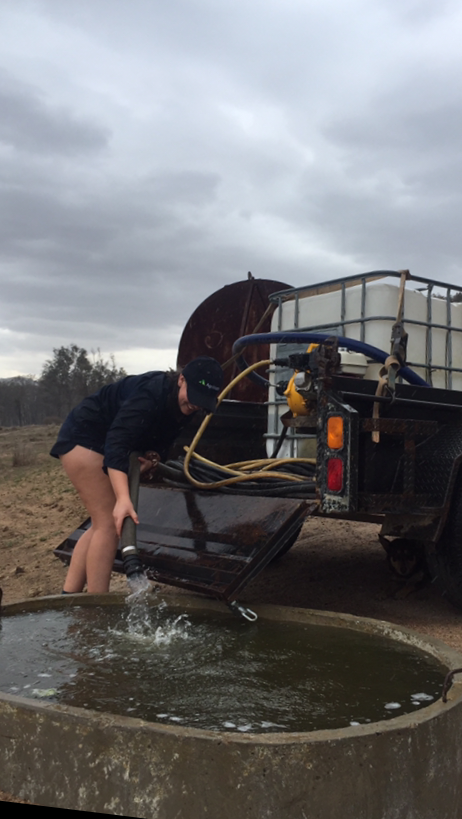
Its Christmas 2019 and Australia is on fire. 95% of the country is affected by drought, with record-breaking temperatures creating persistent dry and warm conditions across the state.
As Australians brought in the New Year, more than 14.5 million acres and half a billion native animals had been destroyed by bush fires. The response by Australia’s political leaders to the unparalleled crisis was renewed support for the country’s fossil fuel industry.

Since Howard’s governing years, successive conservative governments have successfully pushed to overturn international climate change agreements to defend Australia’s fossil fuels industry. In 2020, Australia is the world’s largest exporter of coal and gas and is ranked last of 57 countries on climate change policy.
With weather patterns predicted to continue to warm and the government doing little to negate growing fears, our gardens are beginning to take on a massive role in promoting a healthier world.
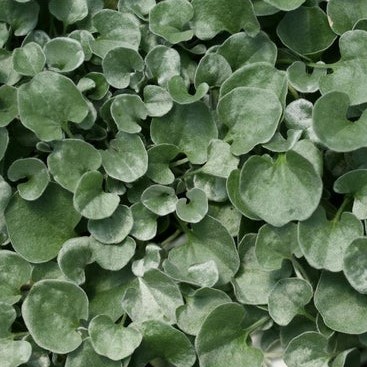
As the Bureau of Meteorology forecasts average temperatures to reach above 1.5 degrees beyond pre-industrial levels in the next thirty years it is important to diversify your garden to suit this rise. Nursery owner, Alex Kalkman, recommends establishing hardier plants in the garden.
“The leaves are what you look for. Grey, silvery foliage reflects light and heat more readily than green leaves. Hairy or rough foliage will tend to catch dew, rather than letting it drip off, so if you get a little bit of rain, that hairiness will collect a bit more moisture”.
A report outlining the effects of climate change on gardeners shows the disrupted variables in climate will force gardeners to rethink their vision of a typical garden. Professor Nigel Arnell, Professor of Climate System Science at the University of Reading says the future holds a lot of uncertainty.
“Gardeners will have to think more carefully about what will grow, and where. This report draws attention to the risks and opportunities provided by our changing climate and shows how we can use increasingly reliable projections of future weather and climate to make informed decisions”.
Gardens to counter climate change:
- Replacing lawns with flowering ground covers both actively reduces the amount of carbon dioxide present in the atmosphere and helps boost population numbers of pollinators.
- Natives are typically hardier plants well suited to the climate of the country you are in. Planting natives will also encourage more native animals into your garden.
- Collect your rainwater and water wisely. Watering in the middle of the day will strip plants of their natural sun protection causing them to burn and will see most of the water evaporate. Watering at night will cause plants to be more susceptible to frost.