
by Claire Sams
- the National Party is calling for a focus on rural students and their communities
- the Minister for Education has proposed cutting off access to HECS for students who are not performing well academically
The federal government has faced intense criticism this week over its proposed changes to university funding, from within the Coalition and from students across Australia.
What happened on Tuesday?
Fault lines have emerged in the Coalition, with the National Party breaking ranks over the government’s overhaul of tertiary education.
Andrew Gee, the Minister for Decentralisation and Regional Education, called for changes after a meeting of National MPs on Monday.
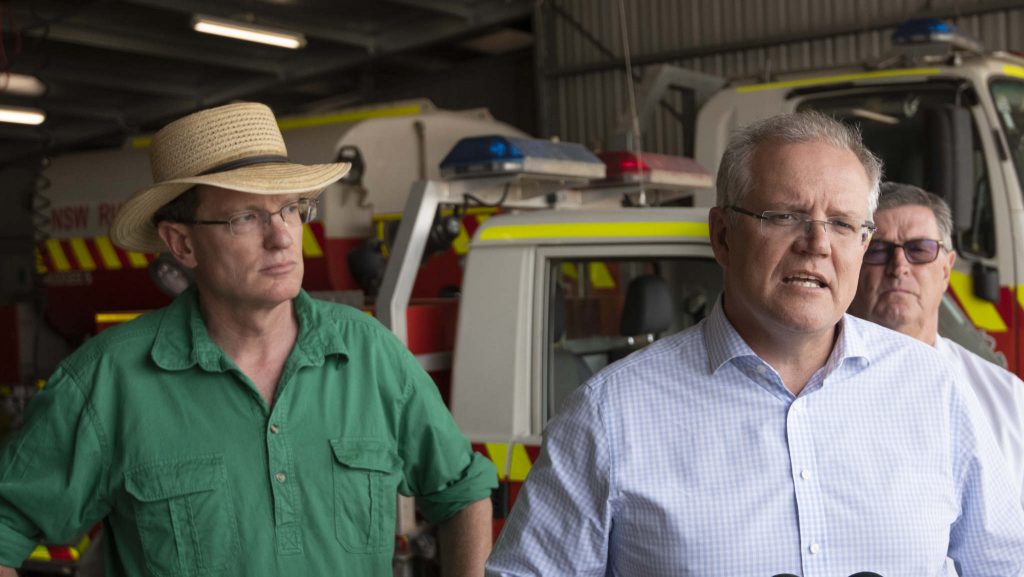
In a statement, Mr Gee called for “social work, behavioural science and mental health disciplines” to be moved from the humanities bracket into the allied health cluster.
If kept the humanities bracket, these degrees would cost students $14, 500 per year, at an increase of 113%.
Mr Gee, who represents the New South Wales seat of Calare, said the proposed fee hikes would discourage rural students from studying these courses and “further increase the mal-distribution of mental health workers in country Australia.”
“Given country Australia has been devastated by bushfires, floods, drought and the COVID-19 pandemic, it is critical that regional communities have easy access to mental health services and support”
(quote by Andrew Gee)
He also called for changes to the Tertiary Access Payment and for students enrolled before 1st January 2021 to not pay a higher Student Contribution Amount.
The National Party decided to formally push for changes at their Monday party room meeting, giving their concerns greater weight.
So why are people talking about HECS?
On Thursday, federal Minister for Education, Dan Tehan, announced that students who fail more than half of their classes after taking at least eight units would be unable to continue accessing HECS–HELP, FEE–HELP or a Commonwealth Supported Place.
This would see students having to leave their degrees or needing to pay fees upfront if they want to continue studying, though universities can take extenuating circumstances into consideration.

This policy would help evaluate “whether a student was academically suited to their course on an ongoing basis,” said Mr Tehan in a media release.
Doctor Natalie Osbourne, a lecturer at Griffith University, says “there are lots of reasons why people might struggle to adjust to university and fail some courses.”
She says that students may remain in a course they’re failing because, for example, they need to remain to keep their AUSTUDY or Youth Allowance payments.
She argues that students in this position must weigh up “how am I going to pay my bills next week compared to how am I going to pay a debt in five or ten years’ time,” with the former winning out over accumulating a debt they will need to pay in the future.
Doctor Osbourne says the proposal “means we’re going to see people who are already perhaps disadvantaged” being “excluded from the higher education system.”
How can I have my say?
A draft of the bill is currently open for public consultation until 5pm 17th August.
Cover image by Katie Hannan.