
Chelsea Gibbs and Grace Windsor
Key Points
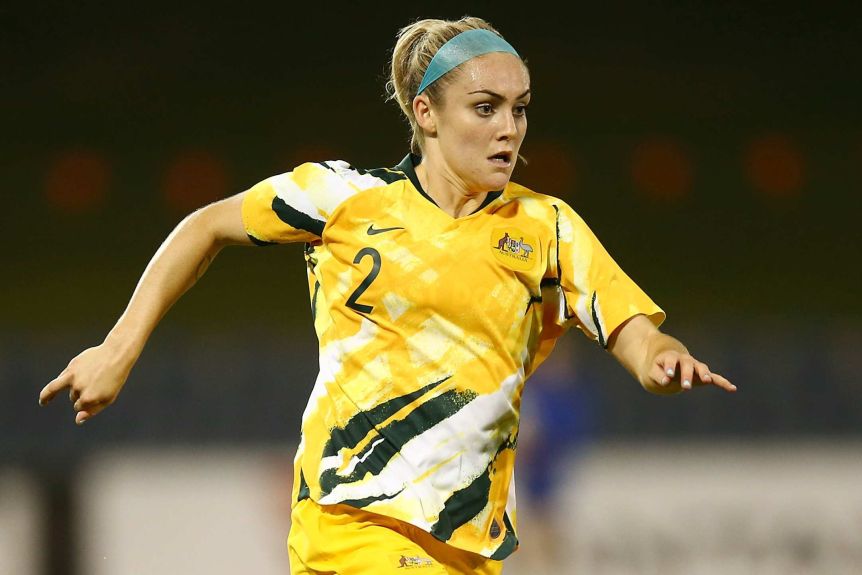
- Ellie Carpenter made her debut for the Australian national team at the age of 15, becoming Australia’s first Australian international soccer player.
- In 2014/15 men’s prize money totalled $343 million more than the women’s, and in 2018/19 the gap increased to $370million.
- Only 7% of women’s sport is given broadcast coverage.
Source: from ABC
It’s been 4 years since Ellie Carpenter became the youngest women’s footballer ever to compete at the Olympic Games.
From growing up playing football in her local country town of Cowra she launched into playing on the world stage at the young age of 16. This saw Ellie already making history, and from this it shed positive light on the pathway for young aspiring female athletes.
Although Ellies achievements thus far has sparked a change in the attitudes towards professional sportswomen, a gap for female athletes in todays society still remains.
In 2019 the Matildas, the women’s national Australian soccer team achieved something Australia’s men’s team could not – the Socceroos failed to win a game during their own 2018 World Cup campaign in Russia.
For qualifying however, the Socceroos pocketed $8 million, while the Matildas only received $1 million. Staggeringly, if the Matildas went on to win the entire tournament they would’ve received the prize money of only $4 million, half what the Socceroos earned for not even winning a game at all.
Former Matildas captain Kate Gill is heavily involved in the Matildas endorsed campaign, “Our goal is now” for closing the pay gap between male and female athletes, and to focus upon demands that are needed to spark a change. The Matildas did receive a success with the equal pay acknowledgement of ‘total player revenue’ being given, however they have not extended this within prize payments.
Gills outlines that she forecasts that “It would take until 2039 to achieve gender equality in prize money,” continuing with this that ”the outcome we are seeking is FIFA’s acknowledgement that they will engage in conversation as to what equality looks like and how we get there.”
In link with this, another highlighted restraint within the women’s sporting arena is the broadcasting and promotion of women’s involvement. This is reflected within the 2017 statistics, with ‘approximately 8% of sponsorship’ and ‘7% of broadcast coverage’ only directed towards women’s sports. Lack of representation within media being an issue especially to young sporting females, as they see their successes as not as important as male involvement.
“This still occurring within current times is really disheartening”
Katie- Bathurst AFL Giants
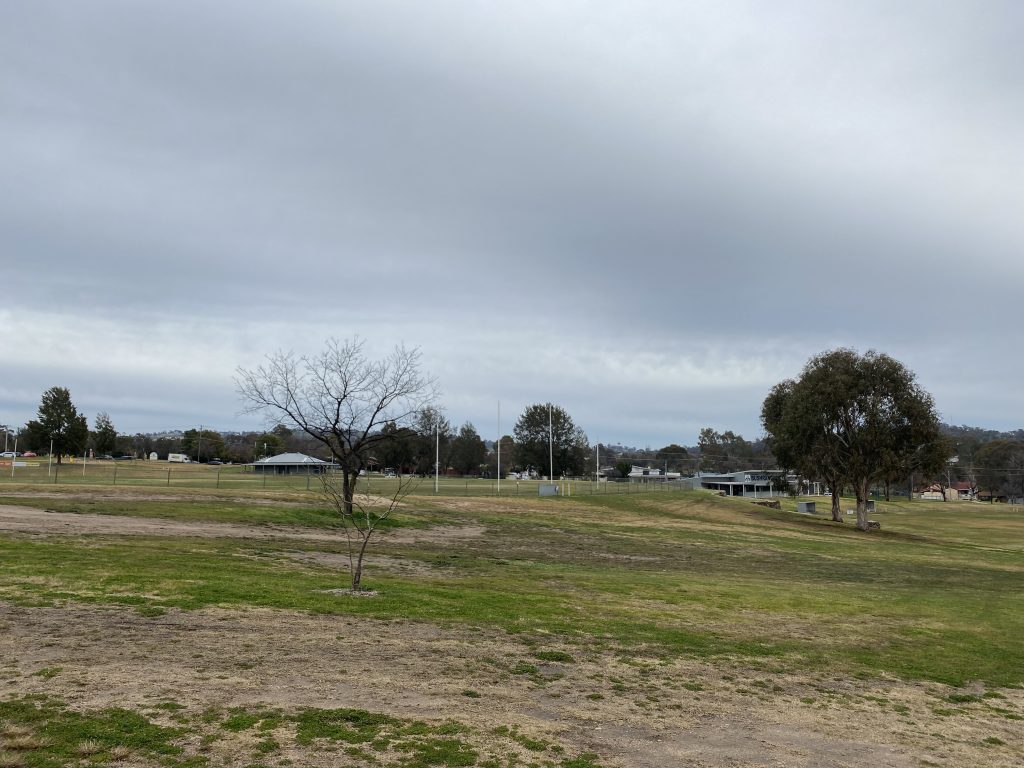
20 year old AFL player Katie of the Bathurst Giants comments that “to see this still occurring within current times is really disheartening.” She has always actively been dedicated to sports throughout her childhood, this continuing still into young adulthood. The typical stereotype surrounding AFL being labelled as “male dominate has always stuck on” her mind. Katie hopes for gender based stereotypes to be broken down within the future, especially for younger girls emerging in the sporting community.
Source: Grace Windsor
Ellie and the Matilda’s are only one team among the many female athletes who compete in a male dominated sport. Although we are continuing to see a building number of representatives of female athletes on our television screens, we are censored from the truth of the inequalities our female athletes endure on and off the field.
Kate Gills quotes sourced from – ABC